
 By Robert Rogers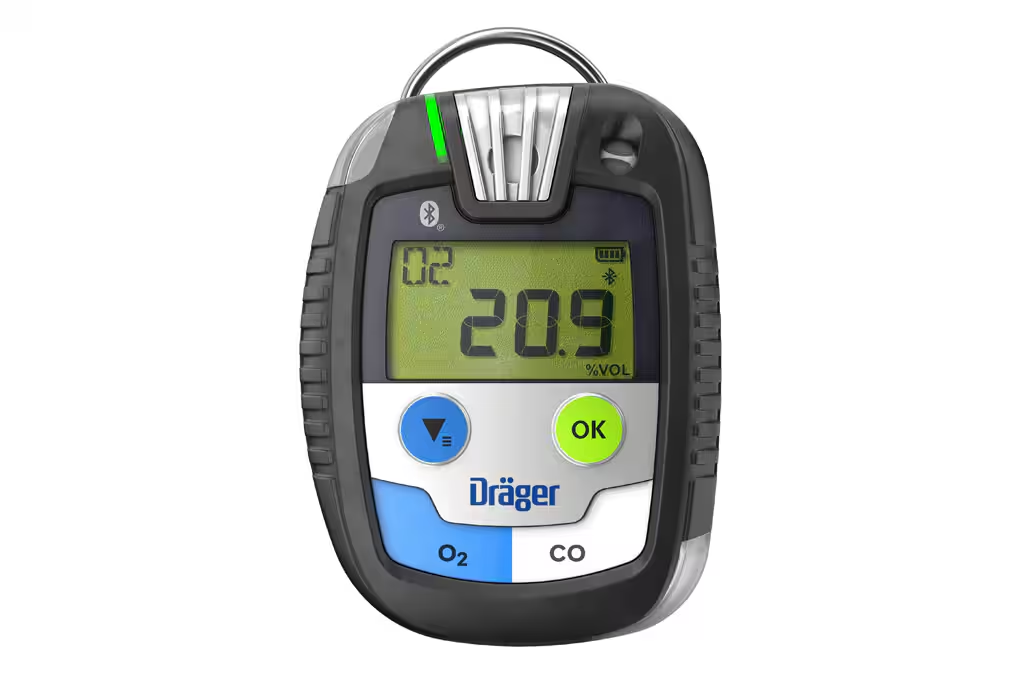
Benzene monitoring has become a crucial aspect of environmental safety and public health, especially in industries where this volatile organic compound is prevalent. Exposure to benzene, a colorless liquid with a sweet odor, is associated with serious health risks, including cancer. As regulations tighten and awareness of hazardous air pollutants increases, accurate and reliable benzene monitors are essential tools for both industry professionals and regulatory agencies to ensure compliance and protect workers and communities.
This article explores the various types of benzene monitoring technologies available today, their applications, and the importance of continuous monitoring in mitigating risks associated with benzene exposure. From portable devices to fixed stations, advancements in sensor technology have made it possible to detect benzene levels with greater precision and efficiency. By understanding these monitoring systems, stakeholders can better safeguard their environments and promote healthier workplaces.
Types of Benzene Monitoring Technologies
There are several types of benzene monitoring technologies available, each suited to different applications and environments. Portable monitors are ideal for personal safety and on-site assessments, enabling workers to quickly evaluate their exposure levels in real-time. In contrast, fixed monitoring stations are often employed in industrial settings to provide continuous surveillance of benzene concentrations in the air. These systems can be integrated with alarm mechanisms to alert personnel when levels exceed safe limits, ensuring immediate action can be taken. Furthermore, advancements in sensor technology have led to enhanced selectivity and sensitivity, making modern benzene monitor solutions more effective in detecting even trace amounts of this harmful compound.
The Importance of Continuous Monitoring
Continuous monitoring of benzene levels is crucial for maintaining safe working environments and safeguarding public health. The dynamic nature of industrial processes can lead to fluctuations in benzene emissions, and temporary spikes in exposure can pose significant health risks. By employing real-time monitoring systems, industries can quickly identify and mitigate exposure risks, ensuring compliance with regulations and protecting their workforce. Moreover, continuous data collection provides valuable information for risk assessments and the implementation of strong safety protocols, ultimately fostering a culture of safety within organizations.
In conclusion, the integration of advanced benzene monitoring technologies into industrial practices significantly enhances our ability to detect and manage exposure risks effectively. By utilizing both portable and fixed monitoring systems, organizations can ensure immediate awareness of benzene levels, promoting swift action to address potential hazards. Continuous monitoring not only aids in regulatory compliance but also fosters a proactive safety culture, where the health of workers and the surrounding community is prioritized. As industries evolve and the demand for stringent environmental protections grows, the importance of reliable benzene monitors will only increase, underscoring their role in shaping safer and healthier work environments for all.