
 By Robert Rogers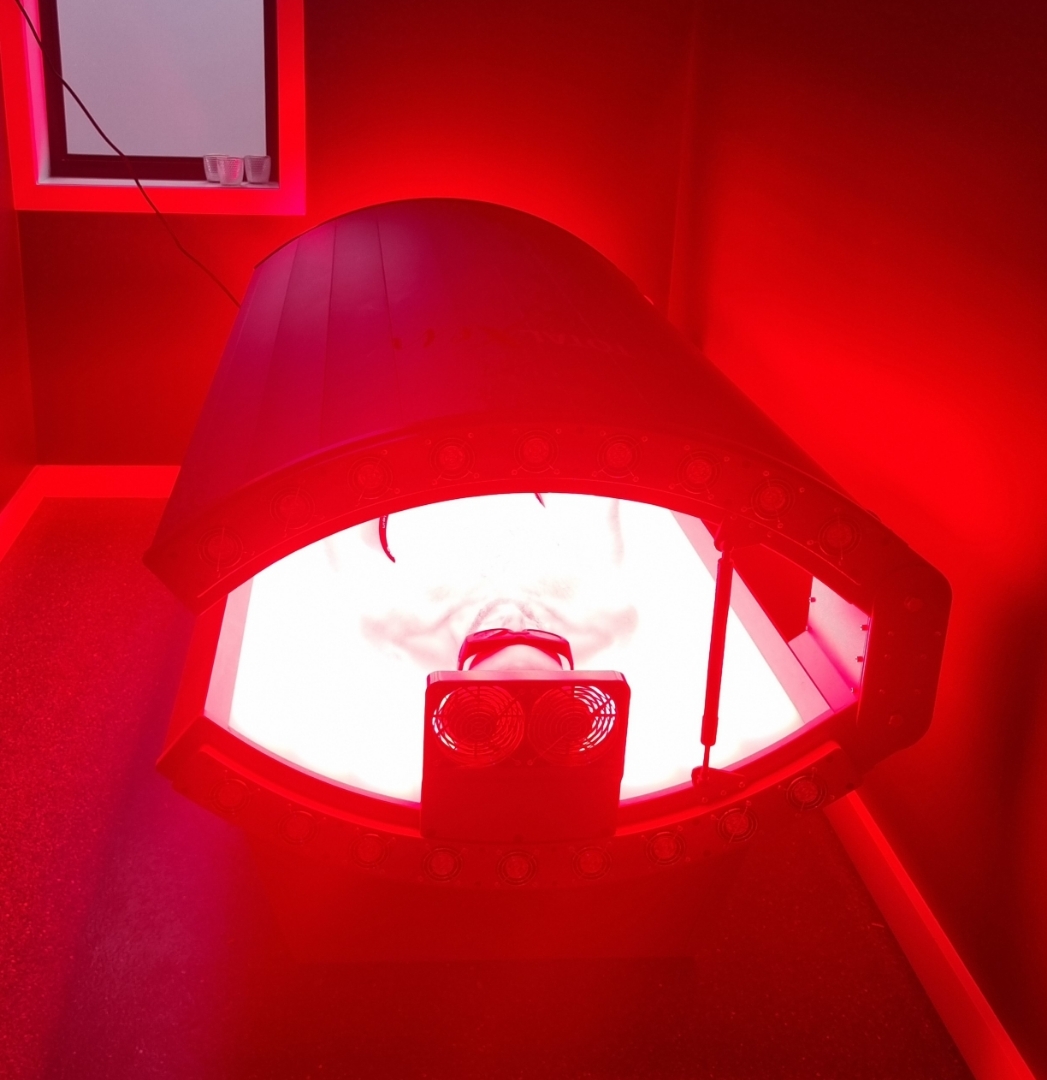
In recent years, red light therapy has emerged as a groundbreaking technique for enhancing athletic performance and supporting recovery. Harnessing the power of specific wavelengths of light, this non-invasive therapy aims to stimulate cellular function, reduce inflammation, and accelerate healing. Whether you’re an elite athlete or a weekend warrior, the benefits of red light therapy can help you maximize your potential and improve overall physical well-being.
This article explores the science behind red light therapy, its applications in sports and fitness, and the potential advantages it offers for performance enhancement. By delving into research studies and expert opinions, we aim to provide a comprehensive overview of how this innovative approach can transform the way athletes train, recover, and achieve their goals.
The Science Behind Red Light Therapy
Red light therapy operates by utilizing low-level wavelengths of light that penetrate the skin, stimulating the mitochondria in cells to produce more adenosine triphosphate (ATP). This increase in ATP enhances energy production in cells, facilitating faster repair of damaged tissues and improving overall cellular function. Research indicates that red light therapy can significantly reduce muscle soreness and inflammation post-exercise, making it an invaluable tool for athletes looking to optimize their training regimens. By integrating methods like Red Light Therapy For Performance, athletes can enhance their recovery processes and promote healthier muscle development.
Applications in Sports and Fitness
The applications of red light therapy in the realm of sports and fitness are both diverse and effective. From pre-training warm-ups that increase blood flow and flexibility to post-exercise recovery sessions aimed at reducing lactic acid buildup, athletes across various disciplines are beginning to adopt this therapy. The non-invasive nature of red light therapy means that it can be easily incorporated into existing training routines without the need for significant downtime. With continued studies supporting its efficacy, many sports teams and fitness enthusiasts are recognizing the potential of this cutting-edge technology to help enhance performance, minimize injuries, and promote sustained athletic excellence.
In conclusion, red light therapy is rapidly gaining traction as a pivotal element in athletic performance and recovery strategies. By enhancing cellular energy production, reducing inflammation, and accelerating tissue repair, this innovative therapy offers a range of benefits that can elevate an athlete’s training experience. As more research validates its effectiveness, the integration of red light therapy into regular fitness regimens is likely to become commonplace. Whether used to prepare the body for intense activity or to facilitate recovery afterward, red light therapy empowers athletes to train smarter, recover faster, and ultimately, perform at their best. Embracing this technology could very well be the key to unlocking new levels of athletic strength and endurance.