
 By Robert Rogers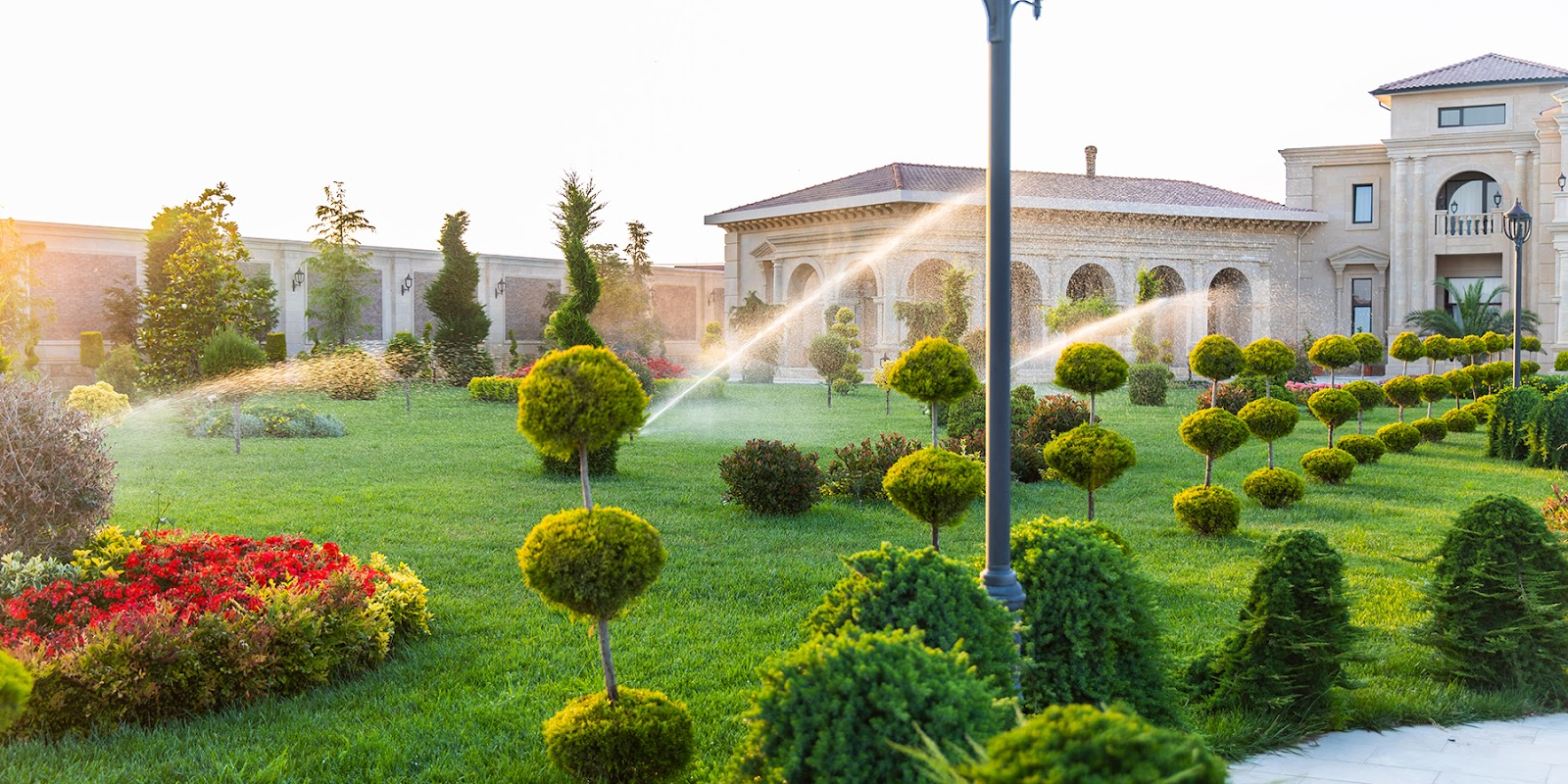
Landscape design is an intricate blend of art and science that shapes the outdoor environment, transforming ordinary spaces into breathtaking landscapes. It encompasses a variety of elements such as plants, terrain, water features, structures, and pathways, all harmoniously integrated to enhance the aesthetic appeal and functionality of a property. Whether it’s a residential garden, a public park, or a commercial space, thoughtful landscape design contributes significantly to our connection with nature, promotes environmental sustainability, and enhances our quality of life.
In today’s world, where urbanization is rapidly expanding, the importance of landscape design has never been more pronounced. As cities strive to incorporate green spaces amidst concrete jungles, landscape designers play a vital role in ensuring that these areas are not only visually stunning but also ecologically balanced. This article will delve into the principles of landscape design, explore various styles and techniques, and highlight the profound impact that well-designed landscapes can have on both individuals and communities.
Principles of Landscape Design
Effective landscape design is rooted in a set of guiding principles that ensure both aesthetics and functionality. Key considerations include balance, proportion, and unity, which help create a harmonious visual experience. Designers often employ the use of focal points, such as water features or unique plant arrangements, to draw the eye and encourage exploration within a space. Additionally, incorporating native plants promotes biodiversity and minimizes maintenance, while sustainable practices help mitigate environmental impacts, making gardens not only beautiful but also ecologically responsible. For those seeking professional help, exploring the best landscaping design Frisco TX can provide inspiration and expert guidance tailored to local conditions.
Impact on Communities
Well-designed landscapes have the power to revitalize communities by providing spaces for recreation, relaxation, and social interaction. Parks and public gardens serve as vital green lungs in urban environments, enhancing air quality and offering refuge for wildlife. Furthermore, engaging landscapes foster a sense of community pride and can increase property values, contributing to economic development. By integrating sustainable materials and practices, landscape designers play a crucial role in creating environments that not only beautify but also promote health and well-being, emphasizing the importance of connectivity between people and nature in our daily lives.
In conclusion, landscape design transcends mere aesthetics, emerging as a fundamental component in cultivating vibrant, sustainable communities. By thoughtfully integrating natural elements with the built environment, landscape designers foster spaces that encourage social interaction, promote biodiversity, and enhance mental well-being. As we face ongoing environmental challenges, a commitment to innovative and ecologically responsible design becomes imperative. The legacy of landscape design lies not just in the beauty of a space, but in its ability to nourish connections between individuals, communities, and the natural world, ultimately enriching our collective experience while honoring the earth we inhabit.